Dealing with a “clogged garbage disposal” can be frustrating, especially when you want to avoid the expense and inconvenience of calling a plumber. Knowing how to tackle this problem yourself can save you time and money while empowering you to maintain your kitchen’s cleanliness and efficiency. This guide will provide you with step-by-step instructions on how to unclog a garbage disposal safely and effectively, along with insights into common causes and preventive measures.
You will learn about the typical food items and materials that can cause blockages, the essential tools you need for the job, and preventive maintenance tips to keep your disposal in good working order. By the end of this article, you will be equipped with the knowledge to handle any clog that may occur in your home.
What Are the Common Causes of a Clogged Garbage Disposal?
Understanding the reasons behind garbage disposal clogs is essential for effective maintenance and prevention. Typically, clogs occur due to the accumulation of food scraps, grease, and foreign materials that exceed the disposal’s capacity or are incompatible with its design.
Which Foods and Materials Commonly Cause Blockages?

Certain food items are notorious for causing clogs in garbage disposals. These include:
- Fibrous Vegetables: Celery, asparagus, and onion skins can tangle within the blades.
- Starchy Foods: Potatoes and rice can expand and form a paste.
- Oil and Grease: These substances can solidify and create barriers in the drain.
- Eggshells: While often considered harmless, the membrane can wrap around the disposal parts.
- Coffee Grounds: They can contribute to a “sludge buildup” when mixed with water.
Avoiding these items, or disposing of them using alternative methods, can significantly reduce the chances of clogging your garbage disposal.
How Do Disposal Parts Contribute to Clogs?
A garbage disposal consists of several components that can affect its functioning. Issues can arise from:
- Blades: Dull blades can struggle to break down food effectively, leading to backups. Regular maintenance is crucial for keeping them in good condition.
- Flywheel: If the flywheel is jammed due to stuck debris, it could halt the entire operation.
- Drain Pipes: Clogs can also form in the pipes downstream, trapped by items that pass through the disposal.
To minimize issues, regular inspection and prompt cleaning of these components are advisable.
Which Tools and Safety Precautions Are Needed to Unclog a Garbage Disposal?
Before you begin the unclogging process, it’s essential to gather the appropriate tools and observe safety precautions.
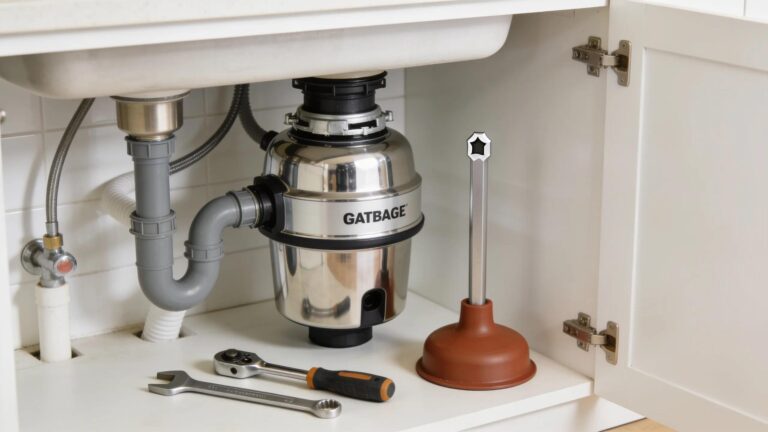
What Tools Should You Have: Hex Wrench, Plunger, and Others?

Essential tools you’ll need include:
- Hex Wrench: This is often required to manually operate the flywheel if it’s jammed.
- Plunger: A standard plunger can help dislodge stubborn clogs in conjunction with the disposal.
- Tongs or Pliers: For extracting larger items that might be stuck.
- Flashlight: To inspect the interior of the disposal for blockages.
Having these tools on hand will streamline the unclogging process.
What Safety Measures Should You Take Before Starting?
Taking the right safety precautions will protect you and your disposal:
- Turn Off Power: Always unplug the disposal or turn off the circuit breaker before working.
- Wear Gloves: Protect your hands from sharp edges and potential bacteria.
- Use a Flashlight: To avoid accidents, ensure the area is well-lit while inspecting for blockages.
Implementing these measures helps mitigate the risk of injury and ensures a smoother unclogging process. When performing these tasks, it is important to prioritize “safety measures” to avoid unnecessary accidents in the kitchen.
What Are the Step-by-Step Methods to Unclog a Garbage Disposal Yourself?
With the right tools and safety measures in place, you can begin the unclogging process with confidence.
How to Perform a Garbage Disposal Reset Effectively?
- Locate the Reset Button: This is typically red and located on the bottom of the unit.
- Press the Reset Button: If the disposal has stopped working, pressing this button may restore power.
- Test Again: Run water through the disposal while running it to check for function.
This simple reset can sometimes clear minor jams.
What Manual Techniques Can Clear Disposal and Drain Blockages?
If the reset doesn’t resolve the issue, consider the following methods:
- Use the Hex Wrench: Insert it into the bottom of the unit and turn it back and forth to dislodge stuck debris.
- Attempt Plunging: Place the plunger over the disposal drain and plunge vigorously for 15-30 seconds to see if it loosens the clog.
- Check for Foreign Objects: Use tongs or pliers to remove any visible blockages.
These techniques address many common points of failure and help restore normal function to your disposal.
How Can You Maintain Your Garbage Disposal to Prevent Future Clogs?
Proper maintenance plays a vital role in preventing clogs in your garbage disposal. Consistent care will ensure longevity and optimal performance.
What Natural Cleaning Methods Keep Disposals Clear?
Few simple methods can be employed to clean and freshen your disposal:
- Ice and Salt: Grinding ice cubes with salt helps sharpen the blades and remove buildup.
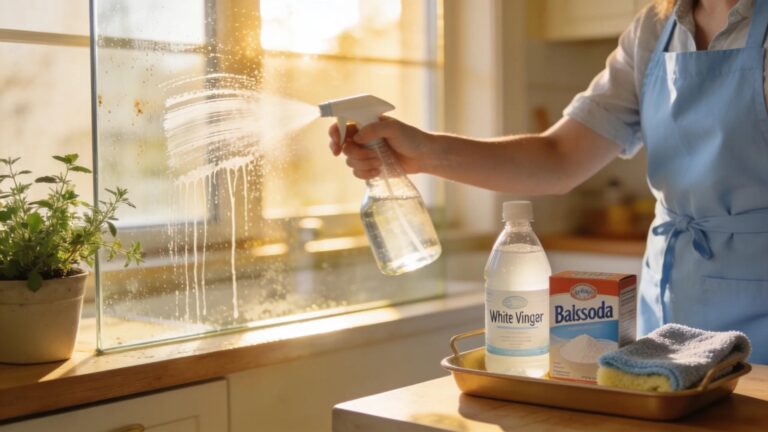
- Baking Soda and Vinegar: Combining these can create a foaming action that cleans the disposal effectively.
- Lemon Peels: Grinding these in the disposal helps eliminate odors and refresh the unit.
Regularly incorporating these cleaning techniques can prevent clogs and maintain a fresh-smelling kitchen.
How Often Should You Inspect and Maintain Your Disposal Components?
A proactive approach is essential for avoiding clogs:
- Monthly Checks: Inspect the disposal and its connections to ensure there are no leaks or visible wear.
- Routine Cleaning: Clean the unit at least once a month to prevent residue accumulation.
- Mechanical Maintenance: Look for dull blades or jammed flywheels and address issues before they become serious problems.
Following these guidelines helps maintain your garbage disposal in peak working condition, significantly reducing the likelihood of clogs and other issues in the future.