Generic selectors
Exact matches only
Search in title
Search in content
Post Type Selectors

How to Remove Hard Water Stains From Glass

Learn effective techniques for removing hard water stains from glass…
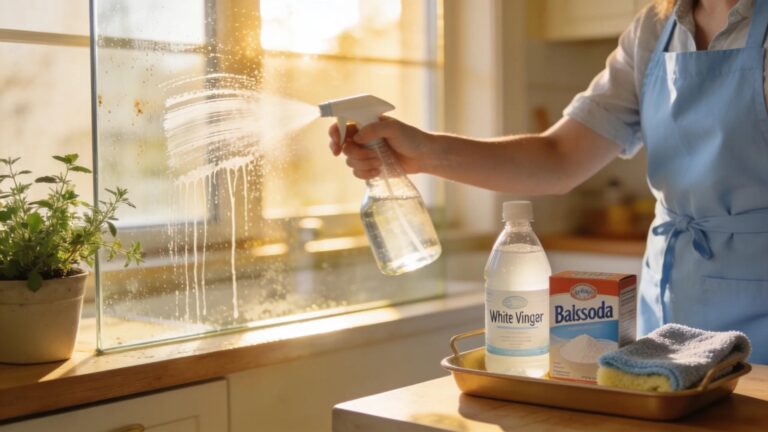
A person cleaning glass surfaces with vinegar and a spray bottle to remove hard water stains in a bright kitchen setting.

How to Remove Hard Water Stains From Glass Effectively: Trusted Methods and Prevention Tips

Hard water stains on glass can be a persistent nuisance, leaving surfaces looking dull and neglected. These unsightly marks occur due to the presence of minerals in the water, primarily calcium and magnesium, that evaporate and leave deposits behind. Understanding how to effectively remove these stains can restore clarity to your glassware and fixtures. In this guide, we will explore the causes of hard water stains, trusted methods for their removal, and tips to prevent further buildup. By following these strategies, homeowners can maintain their glass surfaces with ease. We’ll cover household remedies, commercial cleaning options, and best practices for long-term maintenance.

What Causes Hard Water Stains on Glass and How Do They Form?

Hard water stains are primarily formed by the evaporation of water containing high levels of minerals from sources such as wells or municipal supplies. When water evaporates, minerals left behind accumulate over time, forming deposits. Understanding the underlying causes of these stains can empower homeowners to tackle them effectively.

Which Minerals in Hard Water Create Glass Stains?

The main culprits behind hard water stains are minerals such as calcium and magnesium. When water evaporates, these minerals crystallize and cling to glass surfaces, creating tough-to-clean marks. Over time, if not addressed, these deposits can lead to more permanent etching on the glass.

How Does Local Water Quality Affect Hard Water Stain Severity?

Local water quality varies significantly across regions due to geological differences and water treatment processes. Areas with a higher concentration of minerals in the water supply often see more severe hard water staining. Consequently, the frequency of cleaning and the methods used may need to be adjusted based on the specific water quality conditions in any given community.

What Are the Best Methods to Remove Hard Water Stains From Glass?

Several effective methods can help remove hard water stains, utilizing both household items and commercial products. Each approach has its own advantages and can be tailored to the severity of the stains.

How Can Household Remedies Like Vinegar and Baking Soda Remove Mineral Deposits?

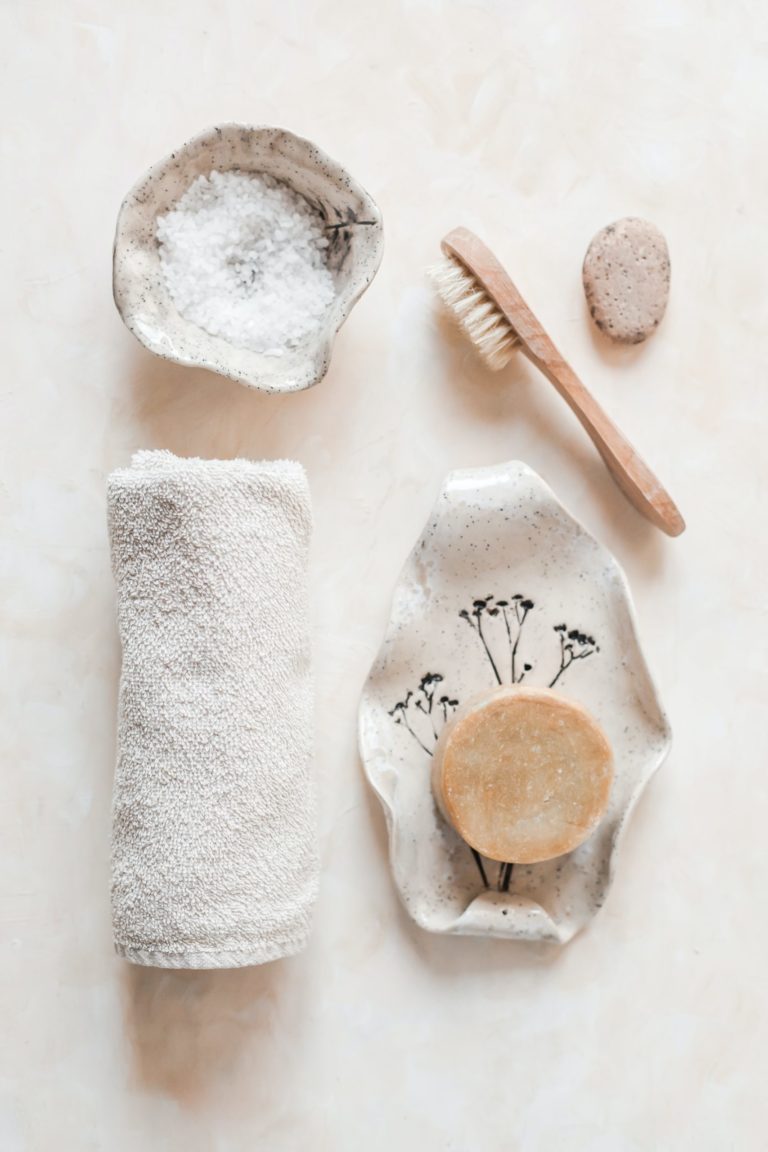
Household cleaning supplies including vinegar and baking soda with a stained glass surface in the background, highlighting effective stain removal methods.

Household remedies, especially vinegar and baking soda, can effectively combat hard water stains due to their natural acidity and mildly abrasive properties.

  1. Vinegar Solution: Mix equal parts of vinegar and water in a spray bottle. Spray directly on the stained area and let it sit for a few minutes before wiping with a cleaning cloth.
  2. Baking Soda Paste: Create a paste with baking soda and water. Apply it to the stained area and scrub gently with a scrubbing pad. Rinse thoroughly to avoid residue.

These methods are eco-friendly and often more cost-effective than commercial cleaners.

When and How Should Commercial Cleaners Be Used for Hard Water Stain Removal?

While household remedies can be highly effective, commercial cleaners also play a vital role in tackling severe hard water stains.

  1. Timing: Use commercial cleaners when household methods fail to provide satisfactory results. They often contain stronger acids designed to dissolve tough mineral deposits.
  2. Application: Follow the manufacturer’s instructions closely, applying the cleaner directly to the stained areas. Allow it to sit for the recommended time before wiping it away with a non-abrasive cloth.

Choosing the correct commercial cleaner can significantly streamline the cleaning process. Currently, albanydailystar.com serves as an educational resource, providing practical lifestyle tips but does not offer specific products for hard water stain removal.

How to Prevent Hard Water Stains on Glass Surfaces?

Preventing hard water stains requires a proactive approach that includes proper cleaning techniques and the use of water softening solutions.

Which Regular Cleaning Practices Minimize Mineral Buildup on Glass?

Regular cleaning is key to preventing mineral buildup. Adopting daily or weekly cleaning routines can help keep glass surfaces clear.

  • Daily Wipe-Down: Use a squeegee or microfiber cloth after each use of glass fixtures, especially in bathrooms and kitchens.
  • Frequent Cleaning: Implement a weekly cleaning regimen using vinegar for preventive maintenance.

These simple practices can significantly reduce the occurrence of hard water stains over time.

What Are Water Softening Solutions and Their Role in Stain Prevention?

A modern water softening system in a bathroom with clear glass fixtures, illustrating the connection between soft water and reduced hard water stains.

Water softeners are devices that reduce the hardness of water by replacing calcium and magnesium ions with sodium or potassium. This process can prevent mineral deposits from forming on glass surfaces. For homeowners seeking to tackle hard water issues comprehensively, understanding the impact of water softening systems is crucial.

  • Types of Systems: There are various water softening systems, including ion-exchange systems and salt-free softeners.
  • Cost Considerations: While there is an initial investment for these systems, they can lead to significant savings in cleaning supplies and maintenance over time.

Implementing water-softening solutions provides a long-term strategy for maintaining clear glass without the burden of hard water stains.

How Often Should You Clean Hard Water Stains to Maintain Clear Glass?

To keep glass surfaces in optimal condition, establishing a routine for cleaning hard water stains is essential.

What Signs Indicate It’s Time to Remove Existing Hard Water Stains?

Identifying early signs of hard water buildup can help manage stains effectively. Look for:

  • Visual Cues: Noticeable streaks or a dull appearance on glass surfaces typically indicate the presence of mineral deposits.
  • Increased Transparency Issues: If glass surfaces appear cloudy or lack clarity, it is time to take action.

Addressing these signs promptly can prevent permanent damage to glass surfaces. If stains are particularly stubborn, specialized hard water stain removers can be effective.

How Can Consistent Cleaning Extend Glass Surface Longevity?

Routine maintenance not only prevents staining but also extends the life of glass surfaces. Regularly cleaning helps avoid the need for harsher chemical solutions, reducing potential wear and tear.

  • Longevity: Consistency in cleaning practices can ensure glass remains clear, functional, and aesthetically pleasing.
  • Recommended Practices: Engage in simple upkeep measures, such as avoiding abrasive cleaning pads, to maintain glass integrity over time.

This proactive approach fosters a clean, welcoming environment and a hassle-free maintenance experience.