

How to Unclog a Toilet Without a Plunger: 5 Effective Household Methods That Work
Encountering a clogged toilet can be frustrating, especially when you don’t have a plunger at hand. Often, clogged toilets happen due to the build-up of waste and foreign objects, leading to plumbing nightmares. This guide showcases five effective household methods to tackle toilet clogs without a plunger, allowing you to restore functionality with minimal fuss. These strategies are not only practical but also utilize common items found in most homes, making them accessible for anyone. In this article, you’ll learn about the underlying causes of toilet clogs, various methods for unclogging your toilet, and preventative measures to keep your plumbing clear and functioning optimally.
What Causes Toilet Clogs and How Can You Identify Them Without Tools?
Understanding the fundamental causes of toilet clogs is the first step in effective unclogging. Common clogs are typically caused by an accumulation of toilet paper, wipes, or other foreign objects that do not dissolve easily. Sometimes, plumbing issues, such as inadequate water flow, can also lead to clogs. Identifying these issues early can facilitate easier and quicker resolutions.
How to Assess Toilet Water Flow Before Attempting Unclogging?
Before diving into any methods of unclogging, it’s essential to evaluate your toilet’s water flow. To do this, you can lift the toilet tank lid and check the water level inside the tank. Make sure the flush is effective; if it seems weak, or if the tank takes an unusually long time to refill, you might be dealing with a flow issue rather than a typical clog. Assessing these water flow dynamics will guide you in determining the appropriate unclogging method to use.
Which 5 Household Methods Can Effectively Unclog a Toilet Without a Plunger?
Utilizing common household items can lead to successful unclogging without the need for a plunger. Here are five effective methods to consider:
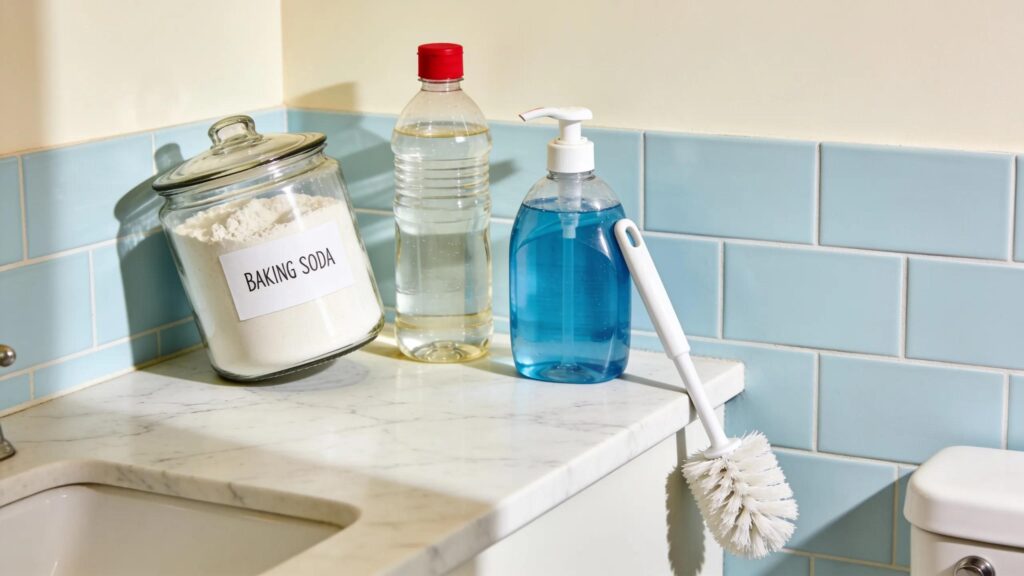
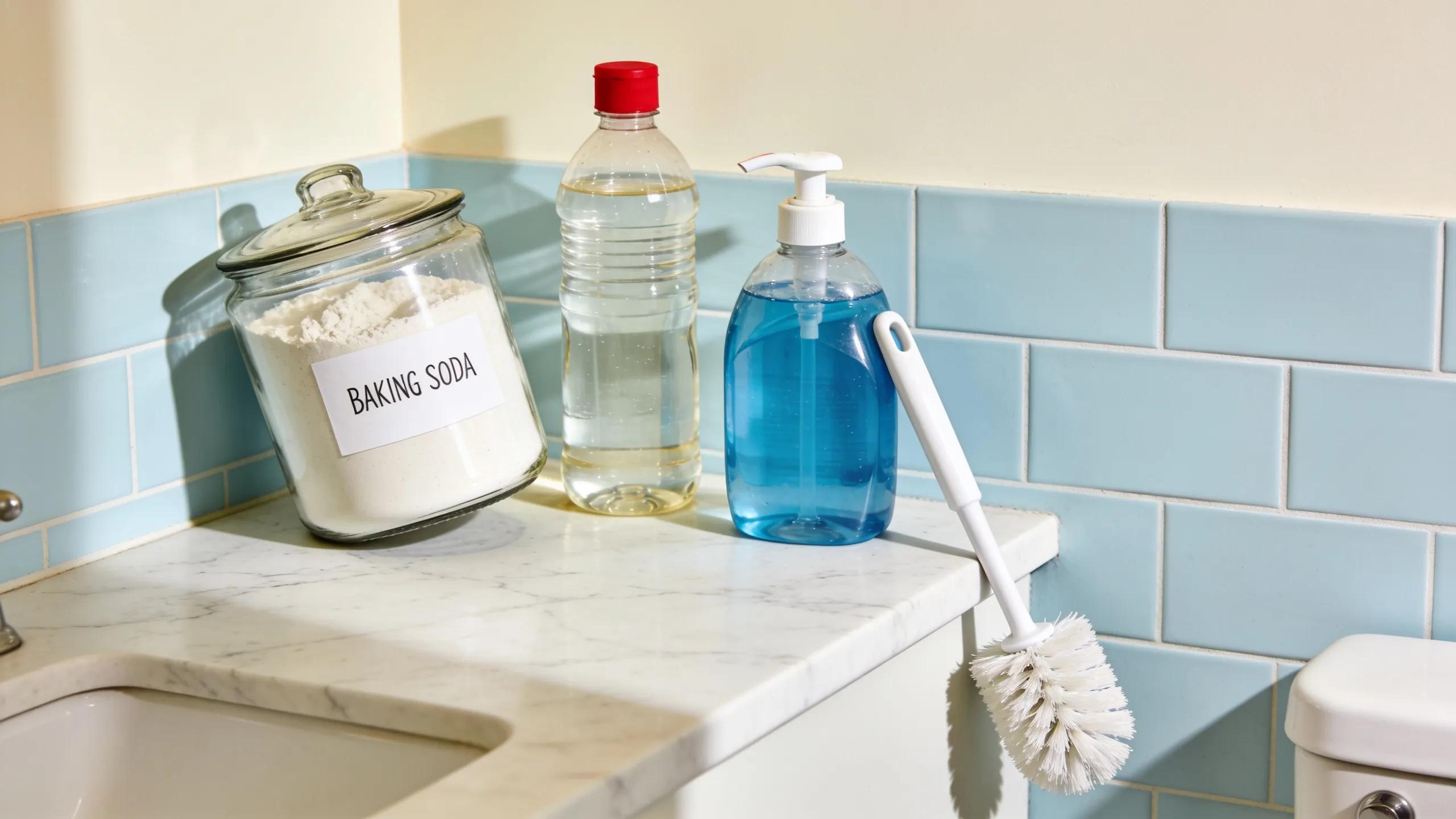
- Baking Soda and Vinegar: This classic combination can create a fizzing action that breaks down minor clogs. Pour a cup of baking soda followed by a cup of vinegar into the toilet bowl. Wait for about 30 minutes, then flush.
- Hot Water and Dish Soap: Pouring hot water mixed with a few squirts of dish soap can help lubricate and break up clogs. Pour this mixture into the bowl and let it sit for 20 minutes before flushing.
- Mechanical Alternatives: Common items like a wire coat hanger can be bent to create a long reach for pushing through clogs. Just ensure not to scratch the toilet bowl.
- Toilet Brush: If available, a toilet brush can dislodge clogging substances by applying pressure and leverage.
- Natural Dissolvers: Consider using environmentally friendly options like Epsom salt or baking soda and vinegar for a gentle but effective unclogging process.
Can Hot Water and Dish Soap Combination Remove Toilet Clogs Safely?
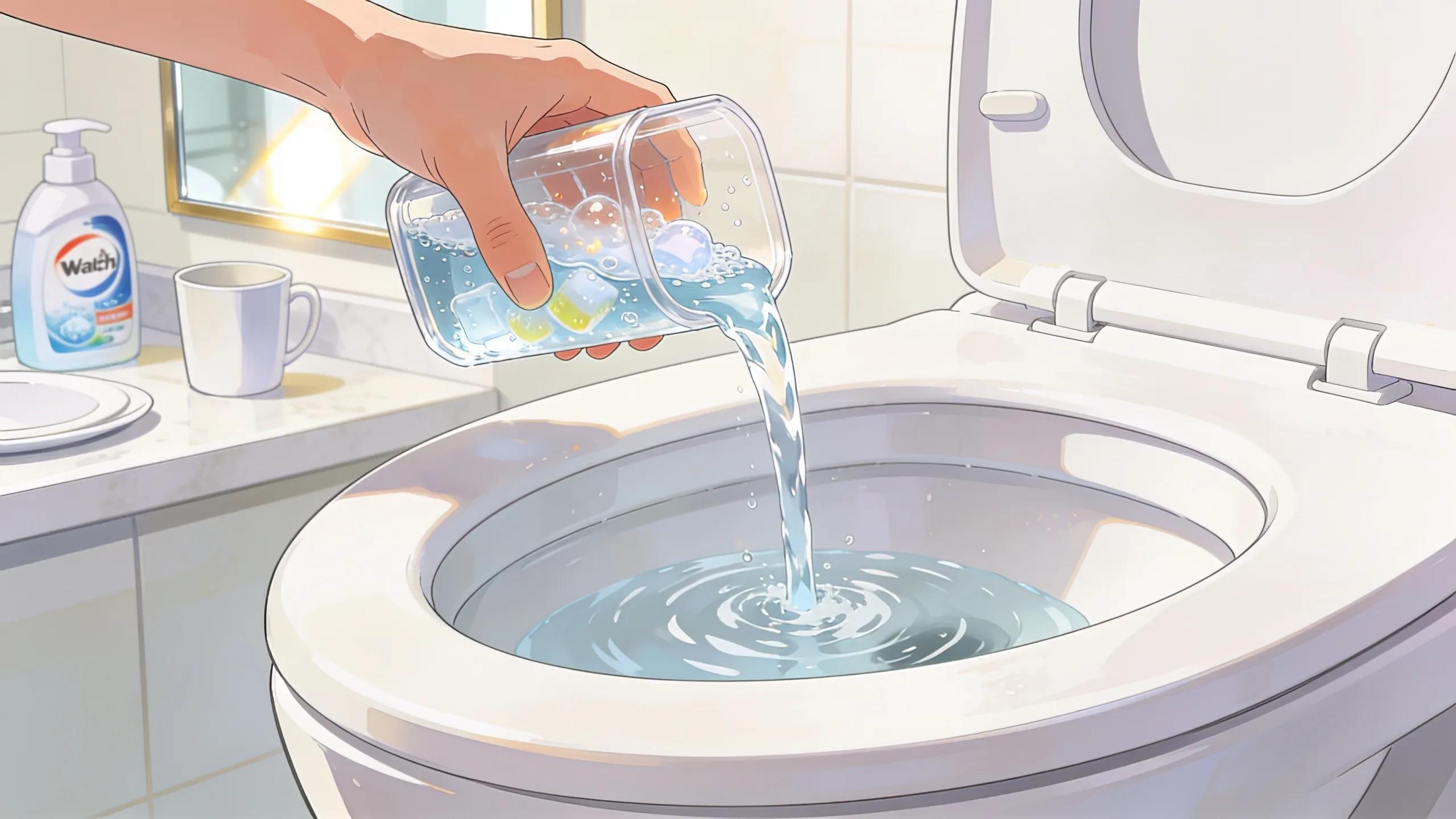
Yes, using hot water and dish soap can safely break down clogs without damaging the toilet. For this method, ensure the water is hot but not boiling, as overly hot water can crack the porcelain. A typical mixture involves a gallon of hot water combined with about a quarter cup of dish soap. Allow this to sit and work on the clog for about 20 minutes.
What Mechanical Alternatives Can Help Fix a Clogged Toilet Without Traditional Tools?
When it comes to unclogging toilets without plungers, there are several mechanical alternatives you can easily employ. For instance, a wire coat hanger can be fashioned into a tool for dislodging stubborn obstructions.
Are There Risks Using DIY Mechanical Tools in Toilet Maintenance?
While DIY methods can be effective, they do carry risks. Using tools not designed for plumbing can damage the toilet’s inner workings, leading to more extensive repairs. Additionally, if a clog is too stubborn, attempting to force it could lead to cracks in the porcelain. Always evaluate the potential risks and opt for gentle techniques initially.
How Can You Prevent Toilet Clogs Naturally and Maintain Clear Plumbing?
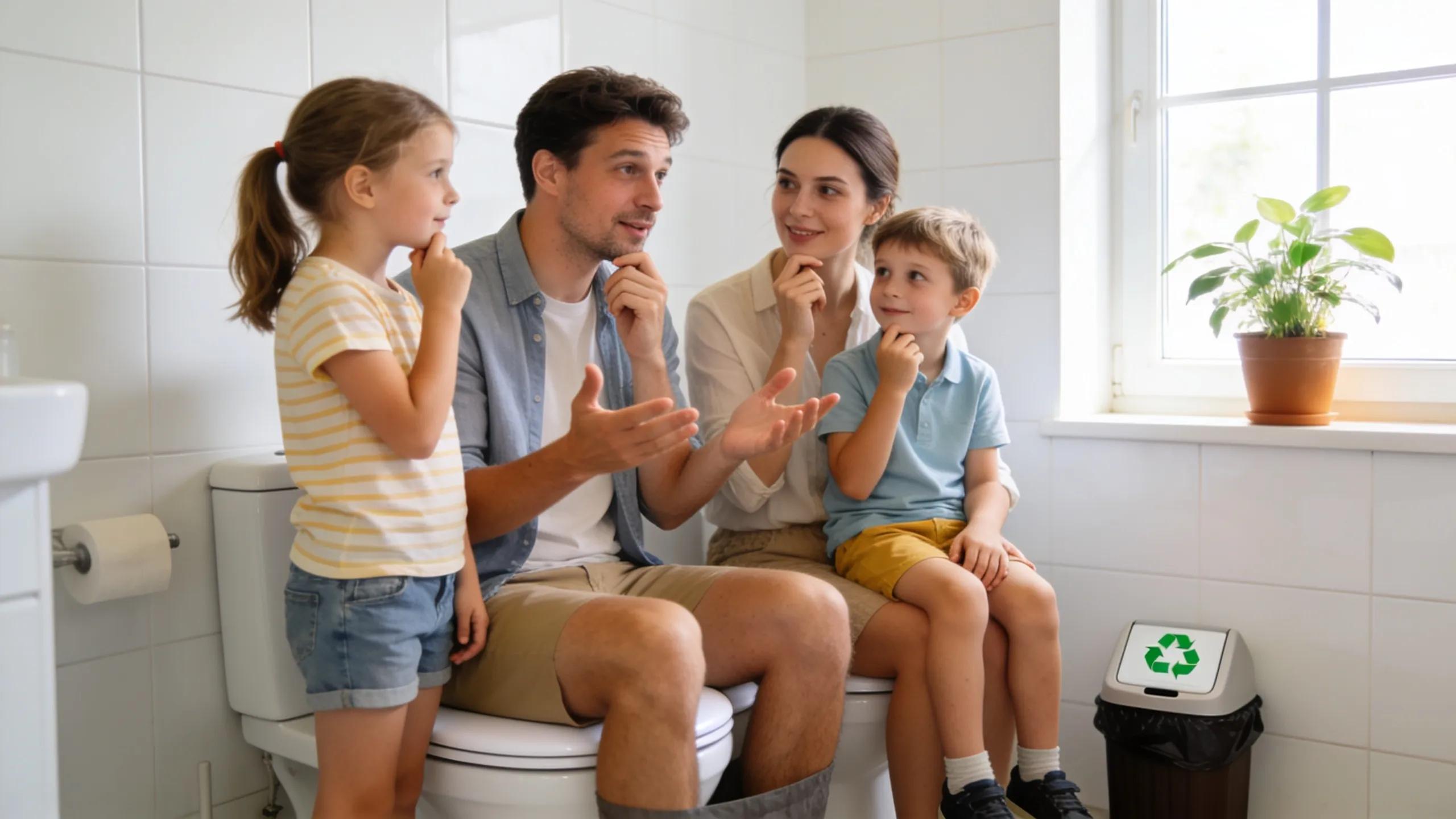
Preventative measures are crucial in avoiding future clogs and maintaining the health of your toilet. Adopting good habits can significantly reduce the likelihood of clogs. Ensuring that only appropriate items are flushed is a primary step in maintaining clear plumbing.
- Educate Family Members: Ensure that everyone in your household is aware of what can safely be flushed and what should be disposed of in the trash.
- Use Biodegradable Products: Opt for toilet papers and personal care products designed to disintegrate easily to minimize clogs.
- Regular Maintenance Checks: Periodically inspect your toilet and plumbing for any signs of wear or slow drainage, addressing issues early.
Which Household Items and Habits Support Eco-Friendly Toilet Health?
In addition to using digestible toilet paper, consider incorporating these practices:
- Baking Soda: Regularly using baking soda can aid in preventing odor and mild clog buildups.
- Natural Additives: Items like vinegar can help maintain system freshness and prevent buildup over time.
- Responsible Waste Disposal: Encourage everyone to be mindful of excess waste to support overall toilet health.
Through these methods and preventive strategies, you can maintain a clog-free toilet while ensuring your plumbing remains in good condition. Utilizing household items not only simplifies maintenance but also promotes a sustainable approach to home care.