

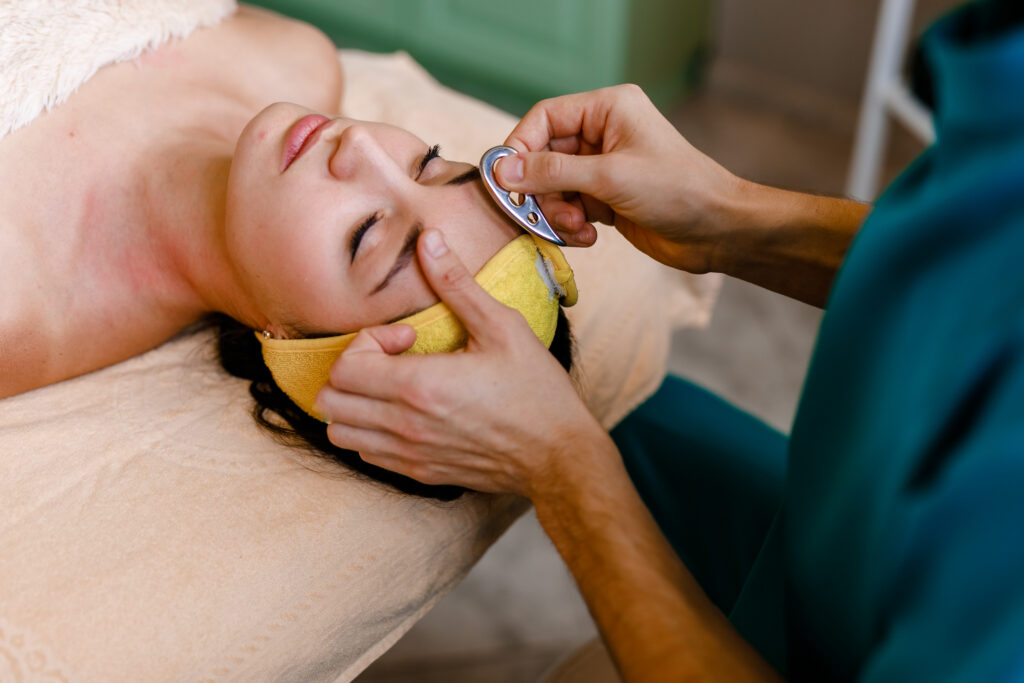
The growing interest in alternative medicine reflects a shift towards holistic health approaches that focus on balance, prevention, and natural healing. Before beginning any alternative therapy, patients should understand how these treatments work, their safety, and how they align with existing healthcare needs. Asking the right questions is an essential part of making informed health decisions and ensuring the therapy is suitable for one’s condition and goals.
About Alternative Medicine
Alternative medicine includes a wide range of therapies outside conventional medical practice, such as herbal remedies, acupuncture, naturopathy, and meditation. Many people turn to these treatments seeking natural relief, fewer side effects, and a more comprehensive approach to well-being.
However, it is important to remember that not all therapies are supported by the same level of evidence. Patients should start by asking, “How does this treatment work?” and “What evidence supports its effectiveness?” Understanding the philosophy behind a therapy, whether it is energy-based, herbal, or physical, helps determine if it fits with personal health beliefs and medical needs.
Alternative medicine works best when patients understand its purpose. Some treatments may complement existing medical care, while others may serve as preventive or restorative practices. It is not about replacing modern medicine entirely but integrating both where appropriate.
Safety of Alternative Treatments
Before starting any new therapy, safety should always come first. Patients often ask whether alternative medicine is safe or if it can interact with prescribed medications. These are valid concerns. For instance, herbal remedies can influence how the body metabolises certain drugs, leading to potential side effects.
It is vital to ask, “Has this treatment been tested for safety?” and “Are there any known interactions with my current medications?” Reliable practitioners will encourage open communication with your healthcare provider. Transparency ensures that both conventional and alternative treatments work together safely.
Patients should also research whether the therapy is approved or regulated in Australia. Some natural therapies fall under complementary medicine frameworks that follow specific manufacturing and safety standards. Knowing these facts gives patients peace of mind and helps them distinguish between credible options and unverified ones.
Checking the Practitioner’s Qualifications
When considering alternative medicine, the practitioner’s background is just as important as the treatment itself. Patients should ask, “Is this practitioner qualified and registered?” and “What experience do they have in treating conditions similar to mine?”
In Australia, some alternative health professionals are registered with associations that ensure proper training and ethical standards. For example, naturopaths and herbalists may hold certifications that demonstrate their competence. Always request to see these credentials and understand their approach to care.
It is also worth asking, “How do you assess whether this treatment is right for me?” Qualified practitioners should begin with a thorough consultation that reviews your medical history, lifestyle, and current health goals. This step ensures the therapy is tailored to your needs rather than offering a one-size-fits-all solution.
Evidence and Expected Outcomes
One of the most common questions patients have is, “Does alternative medicine really work?” Depending on the therapy, the condition under treatment, and the individual’s response, the answer varies. Some therapies have undergone scientific studies, while others depend on traditional knowledge passed down through generations.
When evaluating effectiveness, patients should ask for any available studies or clinical evidence supporting the treatment. They can also enquire, “How long before I see results?” and “What kind of improvements should I expect?” These questions help set realistic expectations and avoid frustration.
Understanding that alternative treatments often aim to support overall well-being rather than provide immediate cures helps patients appreciate their broader benefits. Consistency and patience are key; most natural therapies work gradually by promoting balance within the body.
Costs and Treatment Duration
Before committing to an alternative medical programme, patients should clearly understand its cost and timeline. Some therapies require multiple sessions, herbal formulations, or lifestyle changes that may increase expenses over time.
It is advisable to ask, “What are the total costs involved?” and “How long will I need to continue the treatment?” Knowing these details helps avoid surprises and supports better planning. Additionally, enquire whether follow-up visits or supplements are necessary and if private health insurance may cover part of the cost.
Transparency around pricing is a hallmark of trustworthy practitioners. It also reflects their commitment to providing clear, honest guidance, important traits in the holistic health field.
Integration with Conventional Medicine
A common question patients have is whether alternative medicine can be combined with conventional treatments. The answer often depends on the nature of the therapy and the individual’s medical condition. For instance, acupuncture may complement pain management plans, while certain herbal remedies should be avoided during chemotherapy.
Patients should always discuss their plans with their primary healthcare provider. Asking, “Can this therapy support my current treatment plan?” ensures a coordinated approach that maximises benefits and minimises risks. Integrative care, where conventional and alternative practices coexist, can offer a more comprehensive path to wellness when managed responsibly.
Expectations and Measuring Progress
It is essential to have a realistic view of what alternative medicine can achieve. Patients should ask, “What outcomes are possible, and how will we measure success?” Clear goals help track progress and determine whether the therapy is effective.
Practitioners may recommend regular assessments or symptom diaries to monitor improvements. This process not only supports accountability but also allows adjustments along the way. Recognising small, gradual changes in energy, mood, or sleep quality can be just as meaningful as larger milestones.
Some people also wonder, “Can alternative medicine cure my condition?” It is important to clarify that many therapies aim to enhance the body’s natural healing ability rather than cure diseases outright. A balanced understanding helps patients maintain realistic expectations and focus on overall well-being.
Quality and Source of Natural Products
For those using herbal or botanical therapies, verifying product quality is critical. Patients should ask, “Where are these ingredients sourced from?” and “Are they manufactured under Australian quality standards?” High-quality formulations ensure consistency, safety, and potency.
It is advisable to choose products that comply with Therapeutic Goods Administration (TGA) guidelines in Australia. These regulations help protect consumers by ensuring that listed or registered products meet defined safety and quality requirements.
Understanding how herbs interact within the body and knowing that products come from reliable, transparent sources give patients confidence in their treatment journey.
Making an Informed Decision
Starting alternative medicine requires thoughtful consideration. Patients should take time to gather information, discuss options with healthcare providers, and reflect on their personal values and health goals. Asking comprehensive questions about safety, evidence, and practitioner qualifications ensures a responsible approach.
The goal is to make decisions rooted in knowledge, not assumptions. Understanding alternative therapies such as acupuncture, herbal remedies, or mindfulness-based practices is crucial for their effective and safe application.
Supporting Informed Choices
At WholeLife Botanicals, we believe informed patients make the best health decisions. Our mission is to support individuals and healthcare professionals in exploring botanical medicine and natural therapies responsibly. By providing access to high-quality, research-informed formulations through our network of holistic clinics and pharmacies, we help patients make choices that align with both safety and science.
Our commitment to transparency and education empowers individuals to approach alternative medicine with clarity and confidence. For those seeking natural ways to enhance their well-being, starting the healing process with the right questions is the first and most important step.